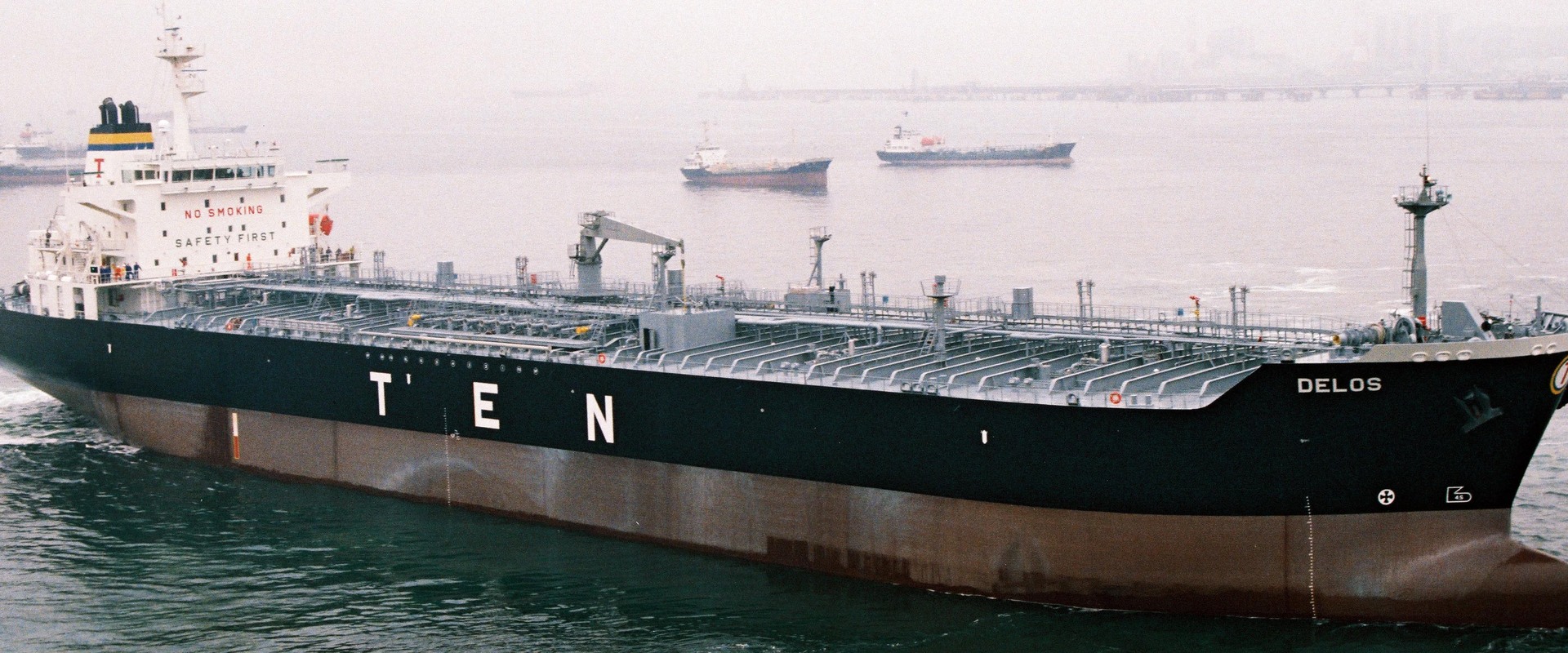
MV DELOS Conversion – AMT, now part of BMT, Design for HMAS Sirius
Over 36 years in naval ship design, AMT (now part of BMT) has delivered end-to-end programs including HMAS Sirius, a novel solution to meet RAN needs.
Over 36 years in naval ship design, AMT (now part of BMT) has delivered end-to-end programs including HMAS Sirius, a novel solution to meet RAN needs.
Through more than 36 years in naval ship design, we have delivered a wide range of end-to-end programs, with the HMAS Sirius conversion standing out as a novel and highly successful example of meeting Royal Australian Navy requirements through innovative reuse of a commercial vessel.
We commenced support at the very start of the program, providing advisory input to the Commonwealth of Australia during the initial acquisition of the base ship. This included expert guidance in selecting a vessel that would present the lowest risk and highest suitability for subsequent conversion.
We were subsequently engaged by the Prime Contractor, Tenix, to deliver the principal, detailed and production design for the conversion. This included a full replenishment at sea capability, aviation support facilities, and significant platform, accommodation and systems modifications to meet the operational, performance and availability requirements defined in the Navy’s Mission System Specification and the then-emerging Lloyd’s Register Naval Ship Rules.
The design scope required extensive modifications to platform systems, including tank arrangements, electrical distribution, sewage treatment and other ship-wide support systems. A new deck section was also incorporated to provide additional storage and operational support space, including power provision for up to 12 ISO containers and support for new RHIBs and davit systems.
Given the vessel was acquired second-hand from a commercial operator, very limited design documentation was available at handover. This required significant reverse engineering of the original design intent across multiple onboard systems. A key example was the Ship Global Strength Structural Design Assessment (SDA), where we reconstructed a full structural definition from limited drawings to develop a finite element analysis model for Lloyd’s Register approval, delivered within a compressed timeframe.
A new cantilevered flight deck was also designed and installed, the first of its kind designed to Lloyd’s Naval Rules, alongside substantial accommodation modifications to support increased naval crew requirements. A Rexroth Hydradyne replenishment-at-sea system was integrated to enable underway transfer of liquids, both supply and receive, meeting fleet tanker operational requirements.
The communications and combat systems integration also required careful coordination to meet naval operational performance, physical security, and electromagnetic compatibility requirements.
The program was completed ahead of schedule, with the Prime Contractor receiving a financial bonus, the Commonwealth project office achieving a project management award, and AMT, now part of BMT, receiving recognition from Engineers Australia for engineering excellence.
This program reflects the type of complex naval ship design work our team continues to deliver, combining deep engineering capability with practical delivery experience across full lifecycle ship design and conversion projects.
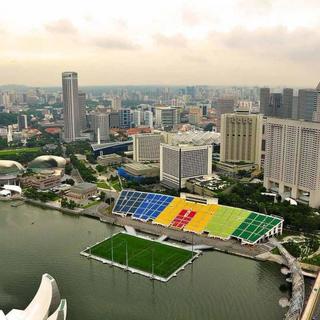
A modular floating platform, currently the world's largest floating stage (2018) was constructed and moored at site in Marina Basin in Singapore. The multi-purpose structure has been the site for important cultural events since 2007, bringing a marine solution to land-based challenges.
In partnership with the University of Sydney and the University of Technology Sydney (UTS), we are helping to prepare new national guidelines regarding climate resilient materials.
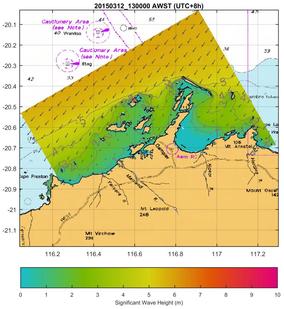
We carried out comprehensive oceanographic modelling to develop the design conditions at various mooring sites in Dampier port and Mermaid Sound.
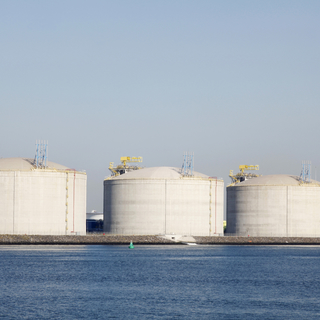
We were appointed by Vopak Yang Pu, Hainan Storage Terminal to provide consultancy services on all matters relating to the marine facilities for the terminal development.