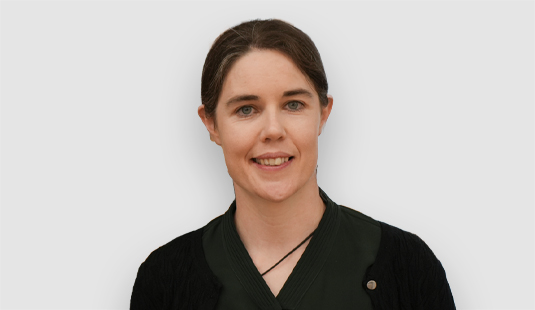

Dr Eshan Rajabally
Maritime Autonomy Technology & Innovation Lead
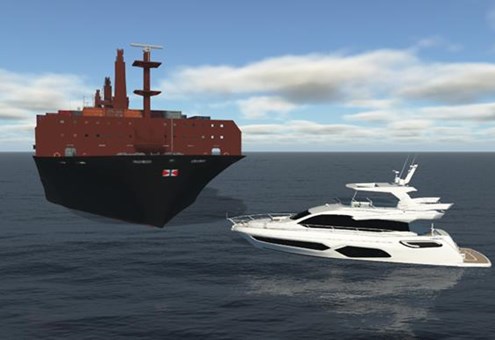
Eshan's Fellowship research explores how AI and autonomy can be applied to vessel operations and offshore infrastructure inspection, helping customers navigate complex technology adoption and unlock new efficiencies.

Dr Michael Barry
Senior Principal Engineer and global TUFLOW products lead
Through innovative TUFLOW CATCH modelling, Michael is helping communities and regulators understand and manage pathogen risks in the River Wharfe.

Dr Soma Maroju
Capability Manager IS Software and DEEP
Soma is advancing data-driven digital applications that bring real-time intelligence, predictive insight and operational resilience to maritime assets.

Dr Louise Bruce
Environmental Data Lead / Senior Principal Engineer Coastal Management
Louise is developing next-generation environmental information models that help customers visualise future scenarios and plan more sustainably.

Dr Thomas Beard
Clean Shipping Service Lead/Principal Marine Engineer
Tom leads our clean shipping agenda, guiding the maritime industry through the transition to safe, efficient and future-ready alternative fuels.

Marco Casassa Mont
Principal Cyber Security Consultant
Marco is advancing cyber security thought leadership to help BMT and our customers prepare for the next generation of operational technology.

Ewan Glen
Head of Management Consultancy Capability
Ewan leads our Management Consultancy capability, bringing clarity to complex programmes and shaping national project management practice through his work with the APM.

Chris Greenbank
Principal Consultant
Chris is advancing Human Factors and Human Systems Integration to ensure complex systems support real-world performance, safety and decision-making.

Johnathan Green
Analysis Delivery Group Lead
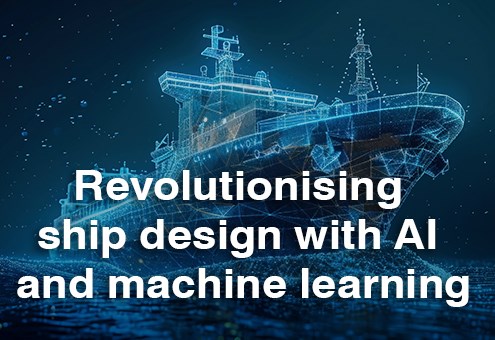
Johnathan is advancing AI-enabled CFD and engineering analysis to accelerate hull form design and deliver smarter, more sustainable maritime solutions.

Dr James Underwood
Senior Principal Naval Architect
James is strengthening our ship and submarine structures capability through advanced analysis that supports safer, more resilient naval platforms.