Managing high risk biomass cargo
Recognising the hidden fire risks in pelletised wood cargo
Recognising the hidden fire risks in pelletised wood cargo
27 March 2026
Imagine a scenario where a bulk carrier loaded with wood pellets reports indications of elevated temperatures while berthed in a foreign port. Pelleted biomass cargos such as wood pellets carry well‑known combustion risks. Their composition and fine particle structure in combination with an inherent moisture content promote oxidation; they generate carbon monoxide during storage; they can retain heat pockets deep within the stow; and when confined, they can self‑heat in ways that are difficult to detect until the situation becomes critical. These characteristics mean even a minor temperature rise must be treated with caution, as smouldering can develop and escalate rapidly.
Although mid‑voyage, routine checks suggest that the cargo may be generating heat internally, when the crew briefly opens a hold, they observe light smoke and immediately close it again. The cargo now needs to be discharged, but there are concerns about what could happen if the holds are opened and the material is disturbed.
Everyone shares the same goal: unload the cargo safely. But the potential for increased heat when oxygen is introduced creates uncertainty that becomes the greatest risk. How do we get the cargo off the vessel? What if the cargo fires during discharge? Where do we store the cargo once it is off the vessel? Who would be willing to handle the vessel? All relevant and straight forward questions, but the answers are not that simple.
The ship will not be released to continue its voyage to the next port and the cargo will not be allowed to be manipulated without a formal risk‑driven plan of approach and the proper permits in place. The Owner’s initial instruction was simply for a marine risk assessment; however, the realities on the ground require far more.
Our role quickly evolves from surveyors and investigators to project managers responsible for orchestrating a complex, cross‑border response. Beyond assessing the cargo condition, we need to navigate a foreign port environment and rapidly mobilise the correct emergency responders. This means informing and working with port authorities, terminals, port coordination centres, local fire brigades, specialist safety groups, and other stakeholders embedded in the port’s emergency framework. The added value we bring is not only risk assessment and investigation, but also an ability to identify the correct decision‑makers, engage them efficiently, and coordinate their actions under tight time constraints.
As the vessel is nearing its port arrival window, we have less than 24 hours, to produce a comprehensive, actionable plan of approach. This requires defining responsibilities, outlining access and emergency arrangements, atmospheric monitoring protocols, safe ventilation procedures, and a structured escalation pathway built around a worst‑case‑scenario mindset. With biomass cargo incidents, regulators and ports need assurance that contingency planning is thorough, pragmatic, and aligned with the inherent risks.
Despite the compressed timeline and the cross‑jurisdictional complexity, we deliver a plan that enables authorities to grant the necessary permissions for the vessel to proceed.
The operation highlights the breadth of BMT’s capability: we are not only trusted to diagnose critical technical issues, but also to step into a project manager role when situations demand more than a survey or investigation. By combining technical expertise, stakeholder coordination, and structured emergency planning, we provide the level of oversight required for a safe and controlled outcome in a high‑risk scenario.

N/A
Are you using your port's data to make smarter, real-time decisions, or just collecting it without turning it into actionable insight? What if you could predict delays before they happen and optimize operations with the data you already have?
N/A
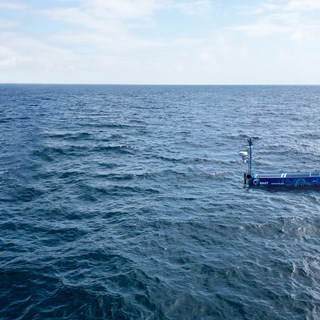
The integration of autonomous maritime systems into the naval and commercial sectors is accelerating, driven by AI, distributed sensor networks, and long-duration autonomous platforms.
N/A
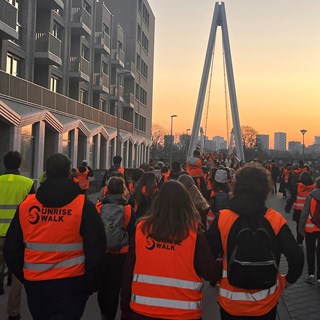
At 3am on a March morning, while many were still sleeping, our amazing colleagues in the Netherlands laced up their trainers and took on a 15km sunrise walk to raise money and awareness for ALS. This year’s walk carried even deeper meaning, as it was inspired by one of our own teammates recently diagnosed with the condition.

N/A
Jeremy de Backere has recently been awarded the VRT accreditation, here he expains what it is and the benefits to BMT customers